DAMs
A DAM is a physical machine that can operate autonomously, generate value, and interact with decentralized networks without relying on centralized intermediaries.
What makes a Machine “Autonomous” and “Decentralized”?
To qualify as a DAM, a machine must combine:
- Physical autonomy (e.g., operate with minimal human intervention).
- Digital agency (e.g., manage data, transactions, or compute tasks).
- Decentralized coordination (e.g., connect to smart contracts, use verifiable data, and act within a trustless system).
These machines are no longer passive infrastructure. They become active economic agents in the Machine Economy.
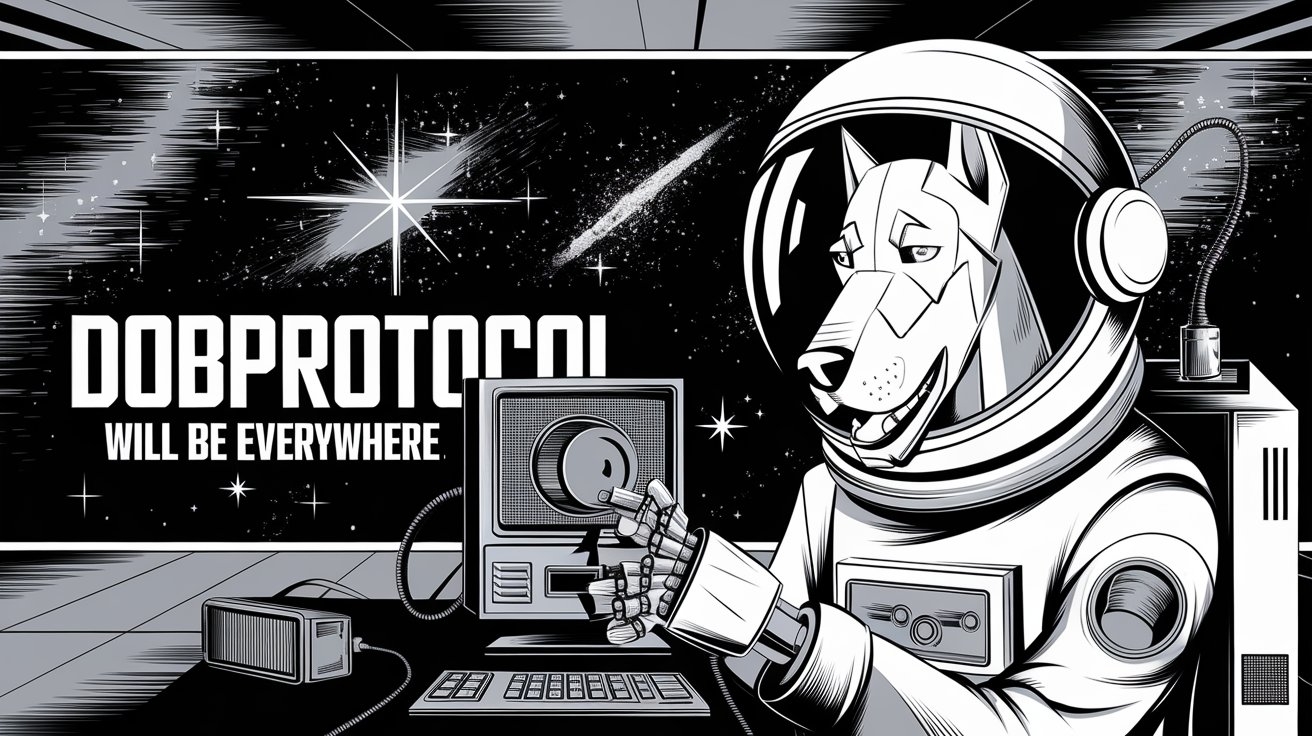
DAMs are the ultimate application of what we’re building
- Machines that validate themselves.
- Machines that trigger smart contracts.
- Machines that generate and distribute revenue in real time.
- Machines that can form part of trustless networks of infrastructure.
With DOB Validator as their entry point and TrustOps as their verification layer, DAMs become a new class of asset.
Dive Deeper: Read the research
To understand the full potential of DAMs, we invite you to read the paper:
Trustworthy Decentralized Autonomous Machines: A New Paradigm in Automation Economy
This paper, co-authored by Fernando Castillo, Óscar Castillo and Simón Espínola from Dobprotocol, outlines the core architecture and trust models required to scale this vision globally.